
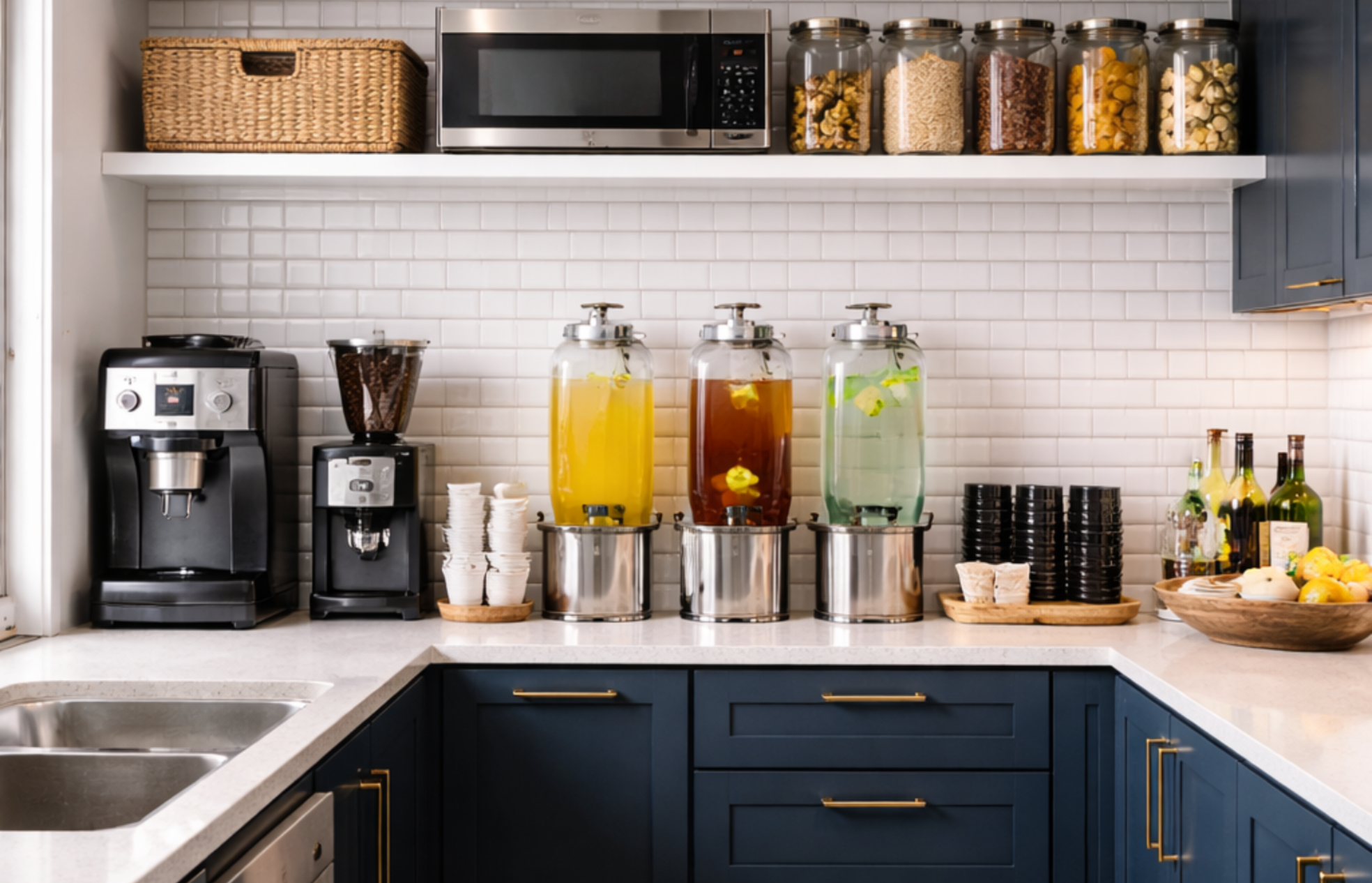
How Do You Design a Subway Tile Layout for a Pantry Backsplash?
Your pantry might be the most practical space in your kitchen, but that doesn’t mean it has to be boring. A subway tile backsplash can instantly add style, texture, and personality while also protecting the wall from spills and stains. The best part? Subway tiles are timeless, versatile, and surprisingly fun to design with.
So if you’re planning to upgrade your pantry backsplash, here’s a simple and interactive way to think about the design.
First, Ask Yourself: What’s the Role of Your Pantry?
Before choosing tiles or patterns, take a moment to look at your pantry.
Is it a walk-in pantry with shelves and countertops, or a compact storage space with limited wall area? If you frequently use the pantry for meal prep or coffee stations, a backsplash becomes even more important because it protects the wall and makes cleaning easier.
Subway tiles are perfect for this because they are durable, easy to maintain, and instantly make the space feel more polished.
Next, Pick the Right Tile Size
Most people picture the classic 3x6 inch subway tile, but there are many options today. Larger tiles like 4x12 or 2x8 can create a more modern look and reduce grout lines, which means easier cleaning.
Here’s a quick tip:
If your pantry is small, lighter colored tiles with a glossy finish can reflect light and make the space feel bigger and brighter.
Now Comes the Fun Part – Choosing the Layout
This is where your backsplash design starts to show personality.
The classic running bond pattern (also called brick style) is the most popular. Each tile is slightly offset from the one below it, creating a familiar and timeless pattern that works almost anywhere.
If you prefer something cleaner and more modern, you can try a stacked layout, where the tiles line up perfectly above each other. This style feels sleek and organized, which works beautifully in contemporary kitchens.
Want something a bit more eye-catching? A herringbone pattern can instantly add texture and visual interest to your pantry wall. It takes a little more planning, but the result can make the space feel more luxurious.
Plan Before You Install
Before committing to the layout, it’s always a good idea to test the pattern first. Lay the tiles on a flat surface or mark the pattern on the wall with tape. This helps you visualize spacing and avoid awkward tile cuts near corners or shelves.
Starting from the center of the wall and working outward usually creates the most balanced design.
Don’t Forget the Grout
Grout might seem like a small detail, but it can completely change the final look.
White grout blends in for a seamless appearance, while darker grout highlights the tile pattern and adds contrast. For a pantry backsplash, many homeowners choose light grey grout because it hides stains better while still looking clean.
The Final Touch
A well-designed subway tile backsplash does more than protect your pantry walls. It adds style, character, and a sense of intention to a space that’s often overlooked.
With the right tile size, layout pattern, and grout color, your pantry can become just as beautiful as the rest of your kitchen-while staying practical and easy to maintain.